DetailsModel Mayhem #:
392968
Last Activity:
Feb 19, 2023
Experience:
Very Experienced
Compensation:
Depends on Assignment
Joined:
May 08, 2007
See Less
Friends (287)About Me
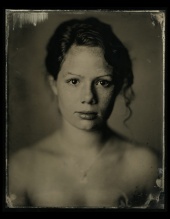
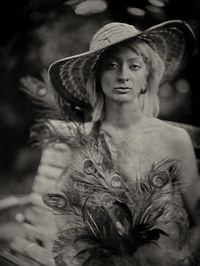
I shoot wet-plate collodion images. Don't believe those other guys who play it up to be some sort of "black magic"...I love this process, but its just a means to an end. I also shoot with film and current digital equipment daily for my full-time gig. Wet-Plate is my creative outlet, so I like to keep it fun, casual, and I don't bring a list of expectations to the shoot. You get to see your images develop when you shoot with me.
Take a look at my sample images as well as my website, to get a better feel for what I can do for you. ***Notice: The process I use can be brutally honest. If you aren't comfortable with how you look without makeup, then I'm not for you. I don't do any Photoshop work to my images except a little color correction and removal of the dust captured when they are scanned, so what you see when I develop the picture is what you get. I do not have money to pay models...I apologize, but shooting wet-plate costs a considerable amount from my own pocket for chemistry and materials. Silver Nitrate is expensive. If you're traveling through town, please don't message me expressing interest in shooting then throw your hourly rate out there...I'm not interested. With that said, I do work for trade. You can also find me here: http://www.facebook.com/richmondaltphoto Verified Credits (0)Worked with Andrew Richmond? Share your experience and become verified! Add CreditsCredit Notes
* Denotes those who I have worked with multiple times.
Models: Jessalyn #169688 * _KT_ #147539 Aspin Lea #252984 Amber Marie Rose #201160 Varvara #192811 Erin the Artist #7155 Sarah Nelsen #649910 Meagan Sample #364053 Sarah Wintle #1444447 * Ryann C #685509 * Alex Reece #1425721 manchester #371054 Linzy-Anna #2174772 RobinKate #2160614 * Nicole Malone #1683182 London Andrews #36768 Tags
Anna Becker
· Retoucher
Beautiful port!If you ever need a retoucher, feel free to contact me. 
Alegoria
· Photographer
❤
Anna Becker
· Retoucher
I could not get around your amazing job.I would be glad to work with you 
Vox Model
· Model
Your wetplate photography is beautiful. If I ever make it out your way, I would love to work with you. Regards, Vox. 
Kenzie Groff
· Model
Would love to work with you sometime!
|